

Introduction
Hearing aids are one of the most significant medical investments most people will ever make — with quality devices ranging from $1,000 to over $7,000 per pair. So it makes sense to do everything you can to protect that investment.
The good news? With the right daily habits, you can meaningfully extend the lifespan of your hearing aids and avoid expensive repairs or early replacements.
This guide covers 10 practical, expert-backed tips to help your devices last as long as possible. For a broader look at how different maintenance approaches compare, start with our Hearing Aid Maintenance Comparison Guide.
How Long Do Hearing Aids Typically Last?
Most hearing aids last between four and six years with proper care. The difference between a device that fails at three years and one that performs well past six years often comes down entirely to daily maintenance habits.
If your hearing aids no longer seem to perform as well as they once did, and you've confirmed they're clean, dry, and undamaged, it may be time to consider replacement — particularly if the device is more than five years old.
10 Tips to Extend the Life of Your Hearing Aids
Tip 1: Clean Them Every Single Day
Daily cleaning is the single most impactful habit you can build. Use a soft, dry cloth to wipe down the exterior of your hearing aids every evening. Use the brush or cleaning pick from your audiologist's kit to clear debris from microphone ports, speaker openings, and vents.
Never use water, alcohol wipes, or household cleaning sprays — these can damage both the casing and internal components.
Tip 2: Use a Dehumidifier Case Every Night
Moisture is the leading cause of hearing aid failure — and it builds up inside your device every day through sweat, humidity, and environmental condensation, even when you can't see or feel it.
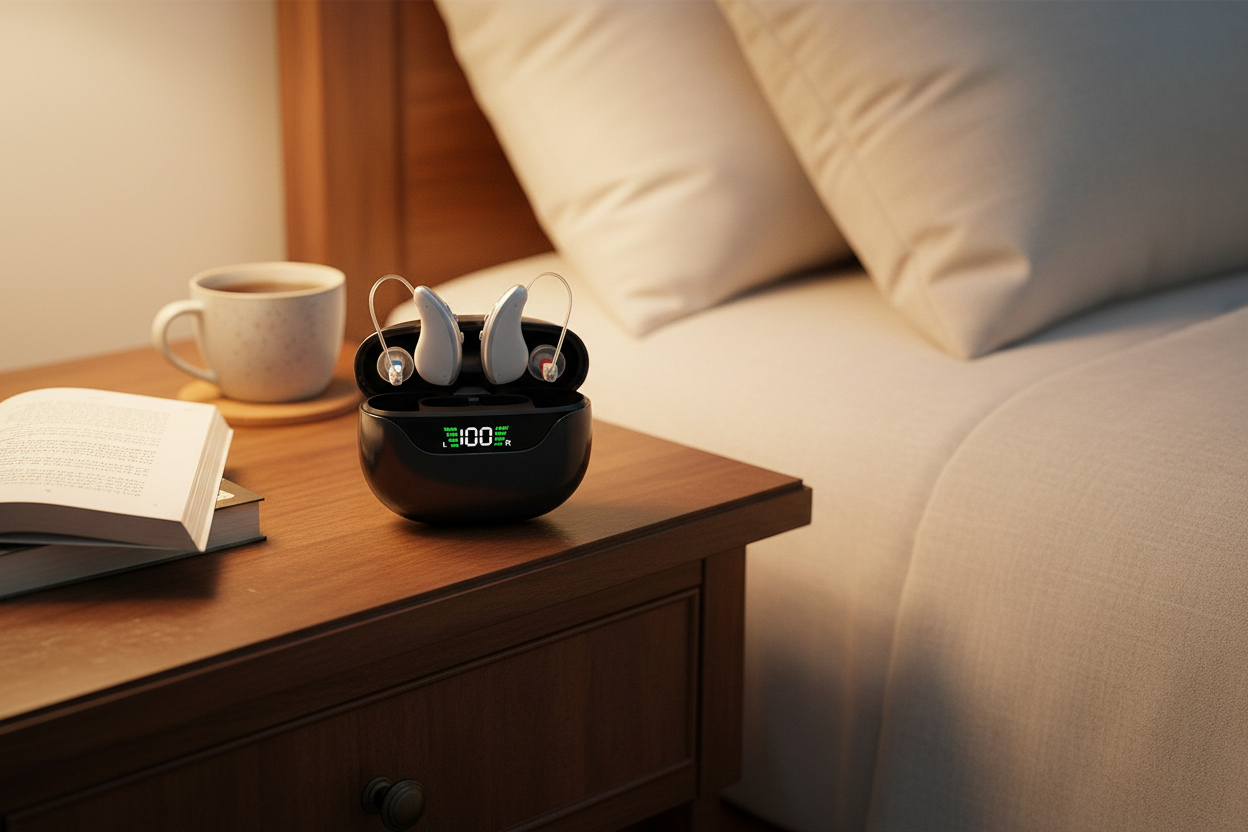
Placing your hearing aids in a dehumidifier case every night is one of the easiest and most cost-effective protective habits available. The desiccant inside draws out trapped moisture while you sleep, protecting sensitive internal circuits from corrosion and damage.
Tip 3: Keep Them Away From Heat and Water
Water and heat are among the leading causes of premature hearing device failure. Remove your hearing aids before showering, swimming, or using a sauna. Avoid placing them near hairdryers, radiators, or sunny windowsills.
👉 Heat is a particularly serious risk in summer months. Read our complete guide: How to Protect Your Hearing Aid Against Heat
Tip 4: Remove Batteries at Night
If your hearing aids use disposable batteries, remove them every night before placing the devices in their case. This approach:
- Extends individual battery life
- Allows residual moisture to evaporate from the battery compartment
- Prevents accidental activation when not in use
- Encourages regular inspection and cleaning of the battery compartment
Tip 5: Store Them Properly When Not in Use
When you're not wearing your hearing aids, store them in a protective hard case or in their charging dock (for rechargeable models). Avoid leaving them loose on countertops, in pockets, or in areas exposed to dust, pets, or young children.
If you live in a particularly humid climate, store your devices with a desiccant packet or in a dedicated dehumidifier case at all times.
Tip 6: Wash Your Hands Before Handling
Skin oils, moisturisers, and everyday debris from your hands transfer easily to your hearing aids during handling. Always wash and thoroughly dry your hands before inserting or removing your devices.
This simple habit reduces the buildup of oils and contaminants in microphone ports — one of the most common causes of muffled or degraded sound quality.
Tip 7: Replace Parts Proactively
Don't wait for visible failure before replacing components. Key parts to monitor and replace regularly:
| Part | Recommended Replacement Frequency |
|---|---|
| Wax guards/filters | Monthly (or when visibly clogged) |
| Disposable batteries | Every 3–4 weeks |
| Tubing (BTE models) | Every 3–6 months |
| Ear molds | Every 1–2 years |
Always keep spare wax guards and batteries on hand so you're never caught without replacements.
Tip 8: Schedule Professional Cleanings Every 4–6 Months
No matter how diligent your home care routine is, some maintenance tasks require specialist equipment. Schedule a professional cleaning appointment with your audiologist every four to six months.
During these visits, your audiologist will:
- Deep clean ports, tubing, and internal components
- Verify that amplification settings still match your current hearing needs
- Inspect for physical wear and early signs of component failure
- Perform Real Ear Measurements if programming adjustments are needed
👉 Thinking about whether your hearing aids need reprogramming too? See: How Much Does It Cost to Reprogram a Hearing Aid?
Tip 9: Avoid Exposure to Chemicals and Haircare Products
Hairspray, perfume, sunscreen, insect repellent, and other chemical sprays can clog microphone ports and damage internal components if they come into contact with your devices.
Always insert your hearing aids after applying any haircare or skincare products. If you've applied anything to your face, neck, or ears, wait until it has fully absorbed into your skin before putting your hearing aids in.
Tip 10: Know Your Warranty — and Use It
Every hearing aid comes with a manufacturer's warranty. Know the duration of your warranty and what it covers. If your warranty is nearing expiration, book a service appointment specifically to check for any covered issues before coverage ends.
Most warranties cover manufacturer defects and some forms of damage — but not damage caused by moisture, physical impact, or failure to maintain the device properly. This makes proactive care even more important from day one.
When Is It Time to Replace Instead of Repair?
If your device is older than five years and requires frequent repairs, replacement may be more cost-effective than continued maintenance. Hearing aid technology improves significantly every few years — newer models offer better noise reduction, Bluetooth connectivity, and rechargeable batteries that older devices simply cannot match.
Discuss your options with your audiologist, who can assess whether repair or replacement makes more sense for your specific device and hearing needs.
Summary: Your Daily and Weekly Hearing Aid Care Schedule
| Task | Frequency |
|---|---|
| Wipe with soft dry cloth | Every day |
| Brush microphone and speaker ports | Every day |
| Dehumidifier case | Every night |
| Remove batteries | Every night |
| Replace wax guards | Monthly |
| Professional cleaning + check | Every 4–6 months |
| Full device inspection | Annually |
Related Articles
- Hearing Aid Maintenance Comparison — Compare all maintenance methods side by side
- How to Protect Hearing Aids Against Heat — Essential protection tips for hot weather
- How Much Does It Cost to Reprogram a Hearing Aid? — Full 2025 price breakdown
Share:
Hearing Aid Maintenance Comparison: Which Method Works Best?
How to Protect Your Hearing Aid Against Heat: 7 Essential Tips