

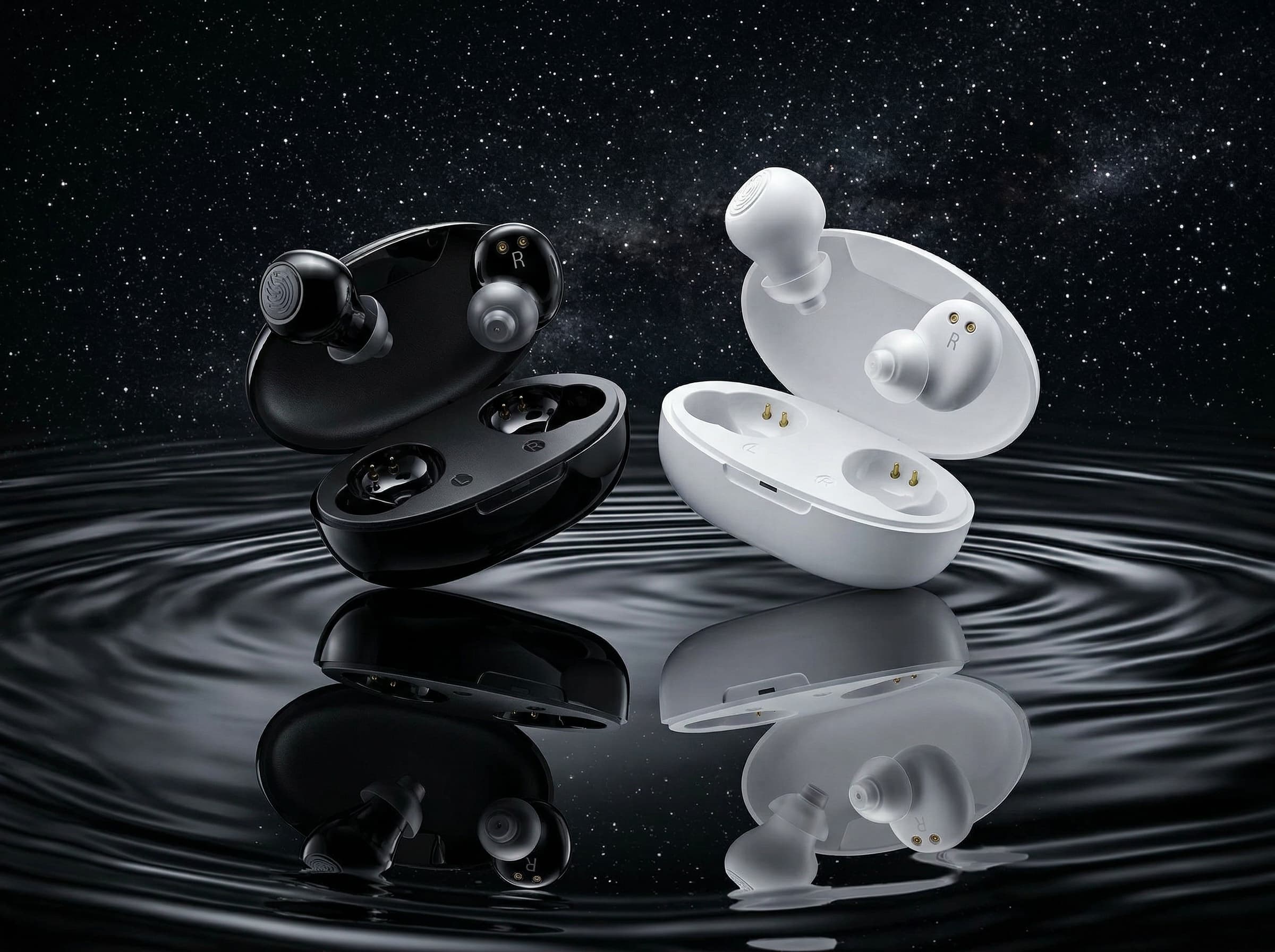
If you're considering CIC hearing aids, comfort is probably one of your first concerns. After all, these are small devices that sit inside your ear canal for potentially 12–16 hours a day. Will you actually be able to forget they're there?
The good news: for most people, CIC hearing aids are genuinely comfortable — especially with a proper custom fit. But there are a few things worth knowing before you commit.
What Does CIC Hearing Aid Mean?
Before we dive into comfort, a quick definition: CIC stands for Completely-in-Canal. It refers to a hearing aid style that fits entirely within the ear canal, making it nearly invisible to others. CIC hearing aids are custom-molded to the exact shape of your ear canal, which is a major factor in why they can be so comfortable — or why, occasionally, they're not.
For a full overview of how they work and whether they suit your hearing loss, see our [Complete CIC Hearing Aid Guide].
The Short Answer: Yes, CIC Hearing Aids Are Generally Comfortable
Most CIC wearers report that after the initial break-in period, they barely notice the device. The custom molding means the aid fits your ear canal like a glove — there's no generic earpiece pressing at odd angles, and no external housing bumping against glasses or hats.
That said, "comfortable" depends heavily on three things: the quality of the ear impression, the break-in process, and your individual ear anatomy.
The Break-In Period: What to Expect
Almost everyone experiences some initial awareness when first wearing CIC hearing aids. This is completely normal and doesn't mean the aids don't fit correctly.
Week 1: You'll likely feel conscious of the device being in your ear. Some people describe a mild fullness sensation. Sounds may seem louder or slightly different than expected — your brain is adjusting to amplified audio.
Weeks 2–3: Most wearers notice the awareness fading. Your ear canal adapts to the presence of the device. Your brain also gradually learns to process the amplified sounds as normal.
Week 4 and beyond: The majority of regular wearers report that they stop noticing the hearing aids at all during daily wear.
Audiologists typically recommend starting with 4–6 hours of wear per day and gradually increasing to full-day use over two to three weeks. Jumping straight to all-day wear can extend the adjustment period unnecessarily.
Common Comfort Issues (and How to Solve Them)
Occlusion Effect: "My Voice Sounds Hollow"
This is the most common comfort complaint among new CIC wearers. When something blocks the ear canal, your own voice can sound unnaturally loud, boomy, or like you're speaking into a barrel. It's called the occlusion effect.
Why it happens: Sound from your own voice vibrates through your skull and normally escapes through the open ear canal. When the canal is blocked, that vibration bounces back.
Solutions:
- Many modern CIC aids include a small vent (a tiny channel through the shell) to allow sound to escape and reduce occlusion.
- The effect usually diminishes significantly after the break-in period.
- Your audiologist can often adjust the programming to compensate for this.
Itching or Irritation
Some wearers experience mild itching, especially during the first few weeks. This is usually the ear canal adjusting to a foreign object.
- Ensure the aid is clean — earwax buildup on the shell can cause irritation.
- If itching persists beyond 3–4 weeks, consult your audiologist. The shell may need minor adjustment.
- Avoid inserting the aid with lotion or cream on your fingers, as residue can irritate the canal.
Feeling of "Fullness"
Some people feel a subtle plugged sensation, especially when first putting in the aids. This typically decreases over time. If the sensation remains intense after several weeks, the vent size in the aid may need adjustment.
Soreness or Pressure Points
Because CIC aids are custom-molded, soreness is relatively rare — but it can happen if the ear canal changes shape slightly or if the original impression wasn't perfect.
If you experience a consistent pressure point or soreness, your audiologist can reline or buff the shell to remove the uncomfortable area. This is a routine adjustment and shouldn't deter you from CIC aids.
Factors That Affect CIC Hearing Aid Comfort
Quality of the ear impression
The ear impression is the mold your audiologist takes of your ear canal. An accurate impression is the foundation of a comfortable CIC aid. Choose a hearing care provider with experience making in-canal custom devices.
Ear canal shape
Most ear canals accommodate CIC aids well. However, very narrow canals, unusually curved canals, or ear canals that change significantly between the two bends may make CIC fitting more challenging. Your audiologist will assess this during the consultation.
Earwax production
Heavy earwax producers may find that wax accumulates around the device more quickly, sometimes causing a "muffled" sound or mild discomfort. Regular cleaning and wax guard replacement are essential. People with heavy wax buildup may want to consider whether a different hearing aid style is more practical for their lifestyle.
Activity level
CIC aids sit securely inside the canal, which actually makes them well-suited for active wearers. They won't fall out during exercise, get bumped by glasses, or shift under a hat. For physically active wearers, this is a major comfort advantage over external styles.
Long-Term Comfort: What Regular Wearers Say
Most long-term CIC wearers describe their aids as simply part of their daily routine — something they put in each morning and don't think about again until they take them out at night. The "forget you're wearing them" experience is genuinely achievable with a good fit and proper adjustment.
The key is patience during the first month and working closely with your audiologist to address any comfort issues as they arise. Minor adjustments during the first 60 days are normal and expected — they don't indicate a problem with the aids themselves.
Tips for Maximizing CIC Hearing Aid Comfort
- Commit to the gradual wear schedule your audiologist recommends — don't rush to all-day wear.
- Clean your aids every day with the provided brush and wax pick.
- Report discomfort early — small adjustments made in the first few weeks are much easier than trying to fix problems after months of wear.
- Store in a dry case overnight — moisture can affect both comfort (soft shell materials) and performance.
- Don't use cotton swabs to clean your ear canal — this pushes wax deeper and can affect how the aid sits.
Conclusion
CIC hearing aids are comfortable for the vast majority of wearers, particularly after the initial break-in period. The custom molding process — while requiring an extra step upfront — is precisely what makes these aids so well-tolerated for long-term daily use.
If you're weighing CIC aids against other styles, comfort should actually be a point in their favor, not a concern. The key is working with a qualified hearing care professional to ensure the fit is right from the start.
Questions about whether CIC hearing aids are right for you? Browse our CIC hearing aid range
See also:
CIC Hearing Aids: Complete Guide
CIC vs ITC: What's the Difference?
Share:
What Is the Difference Between CIC and ITC Hearing Aids?