

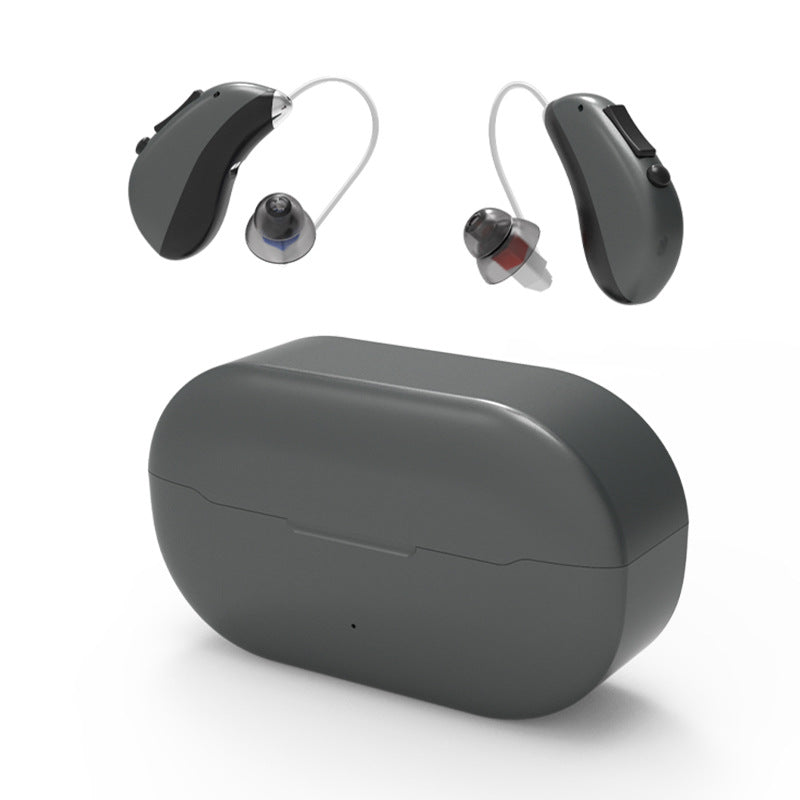
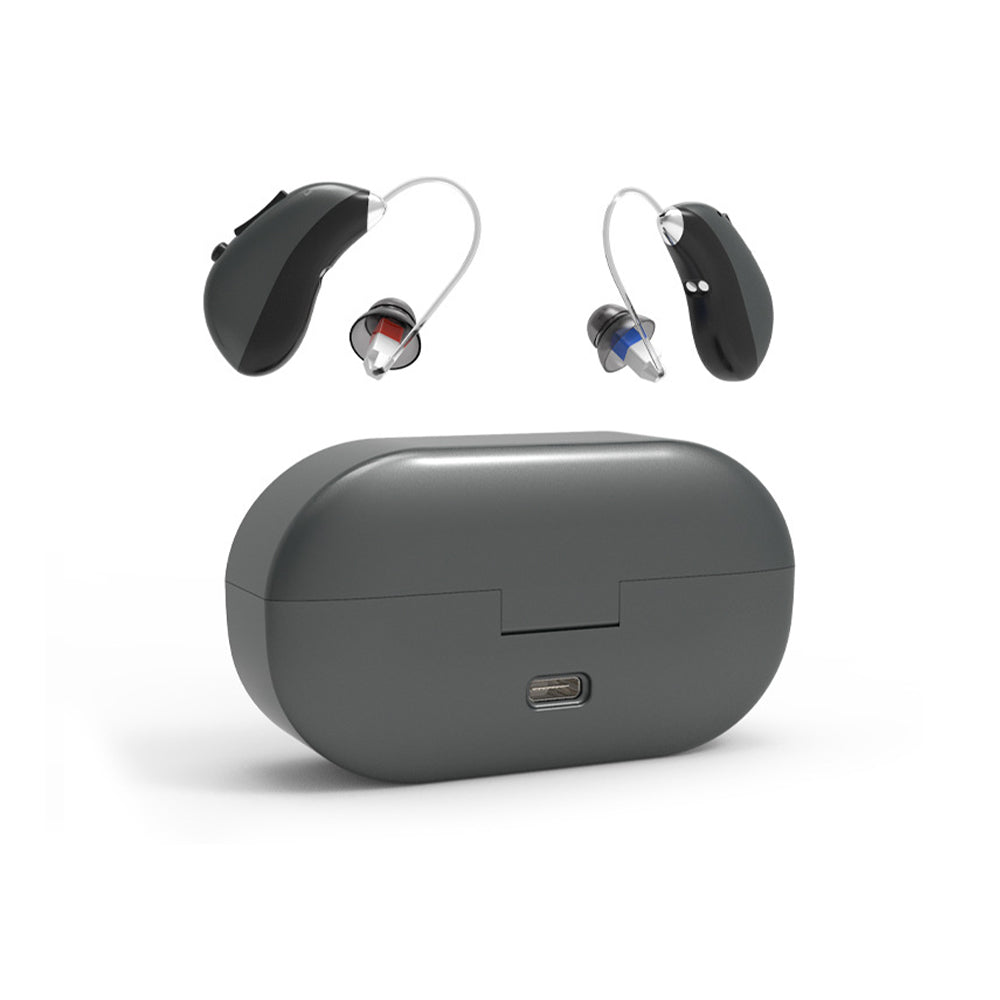
ClearBTE Hearing Aids – 4 Listening Modes, All-Day Comfort
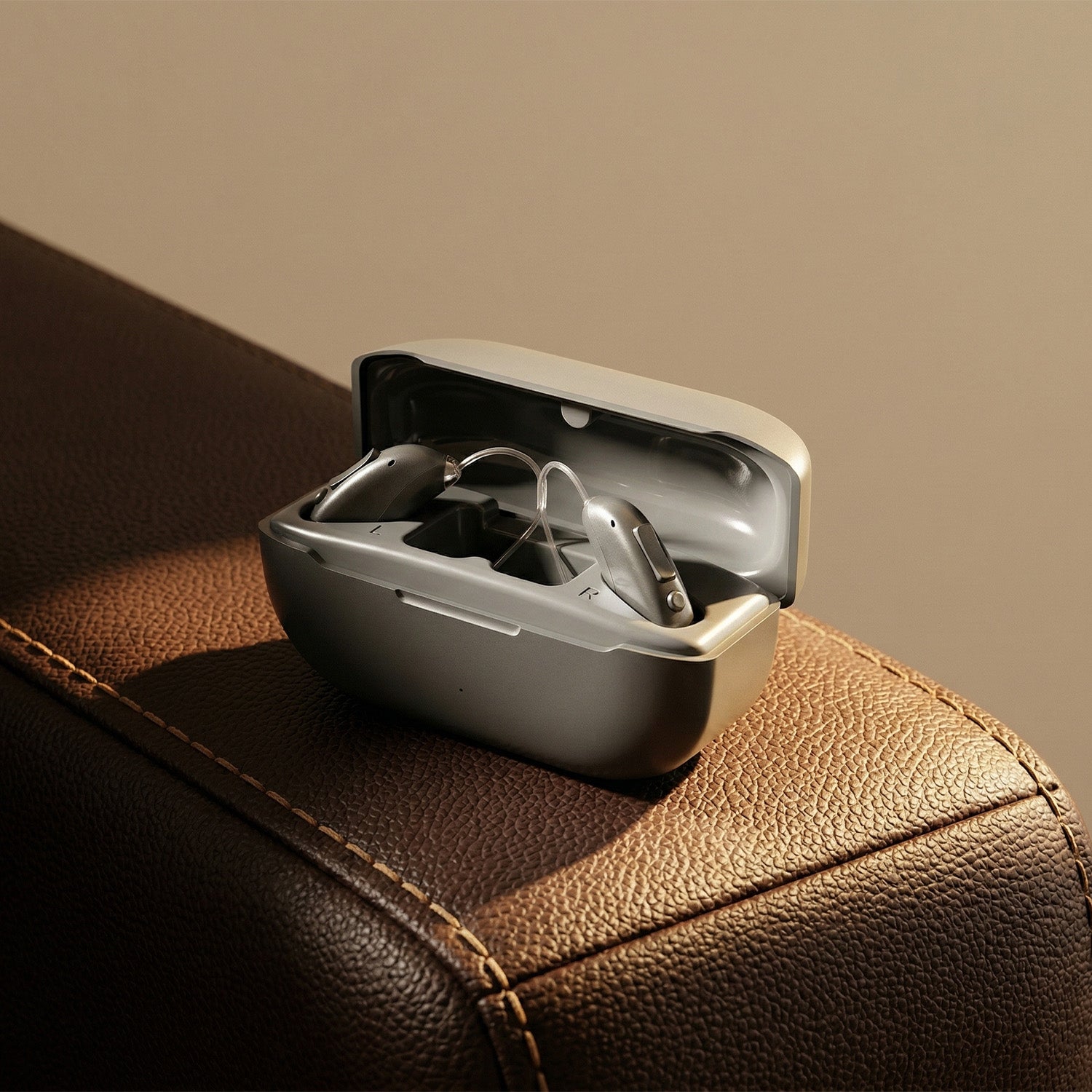
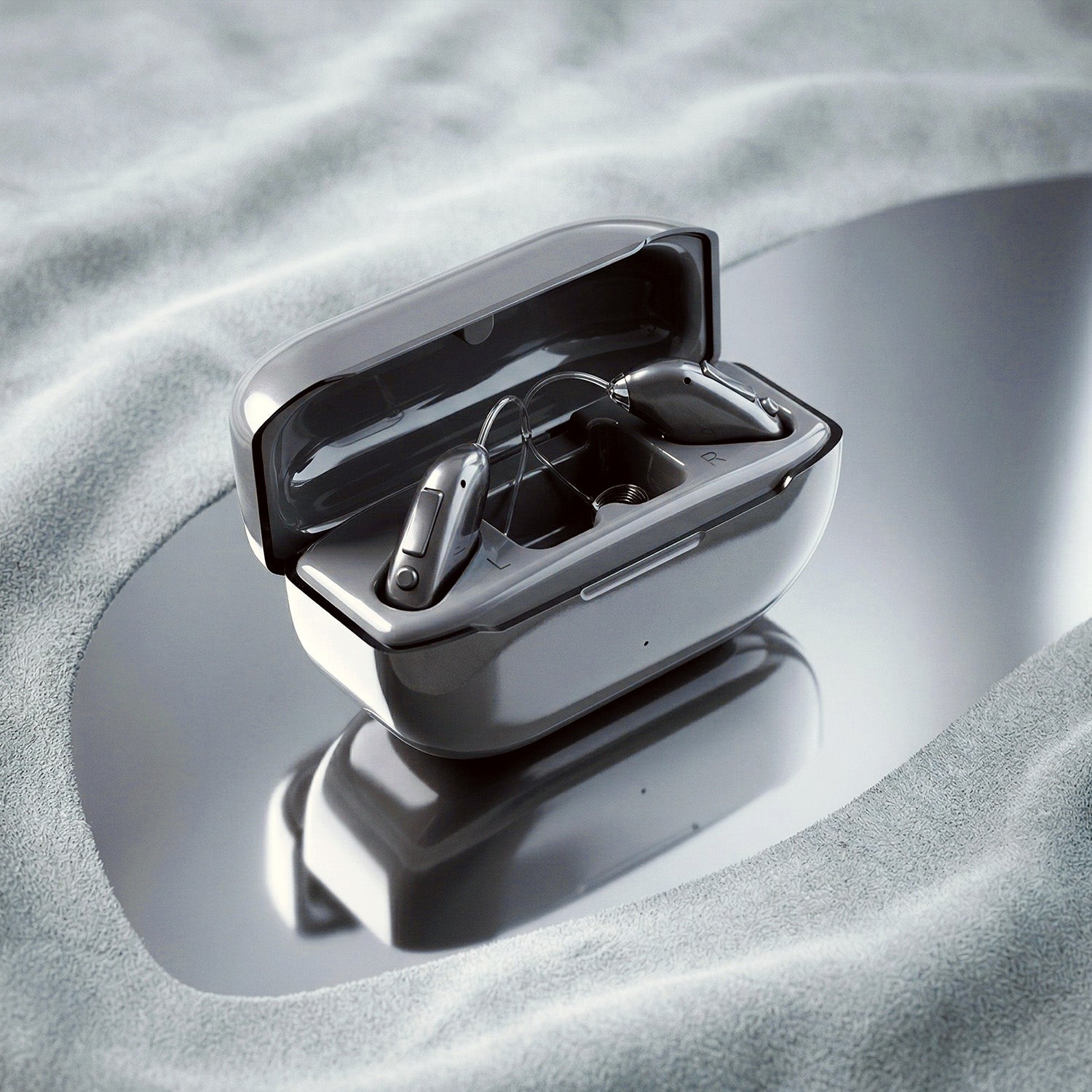
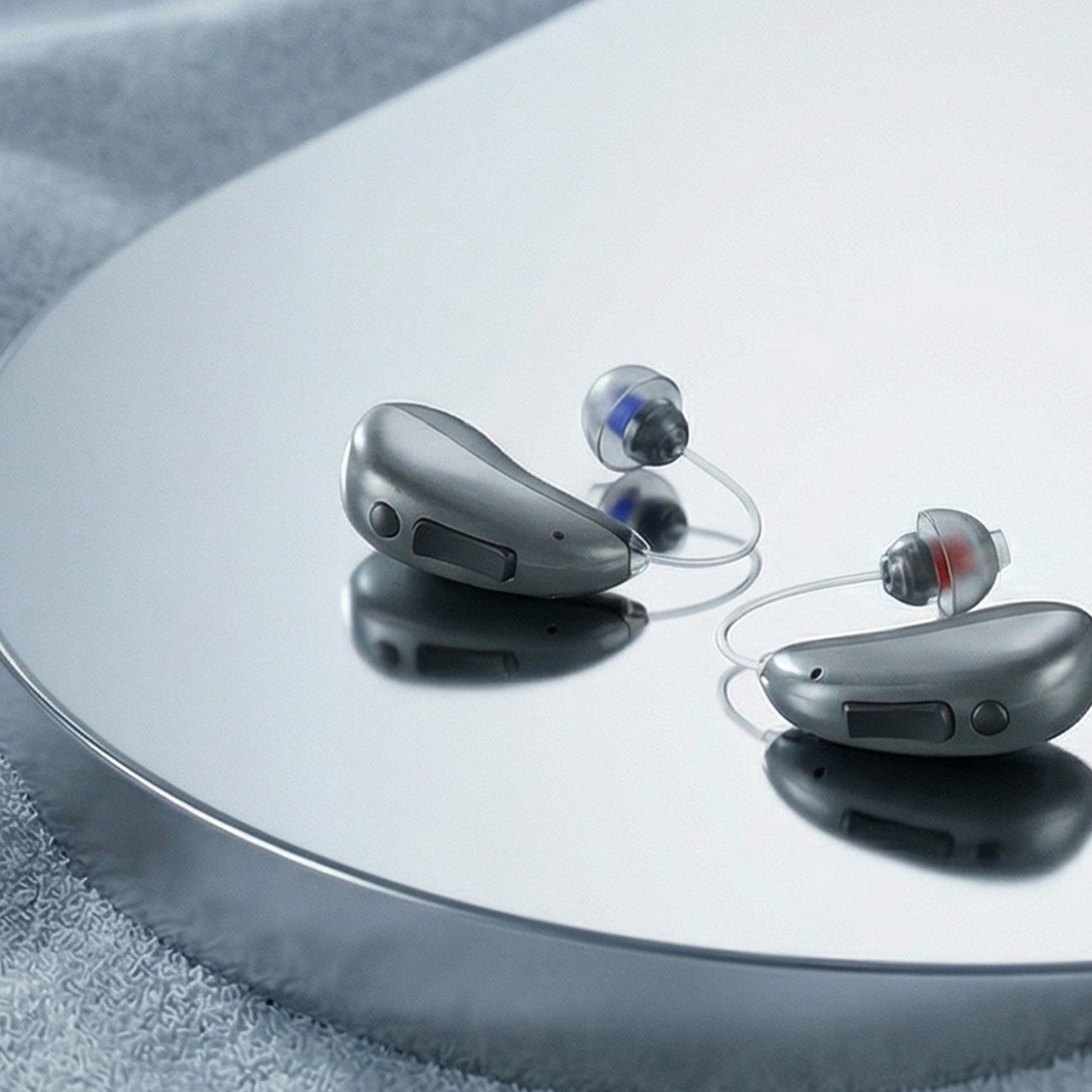
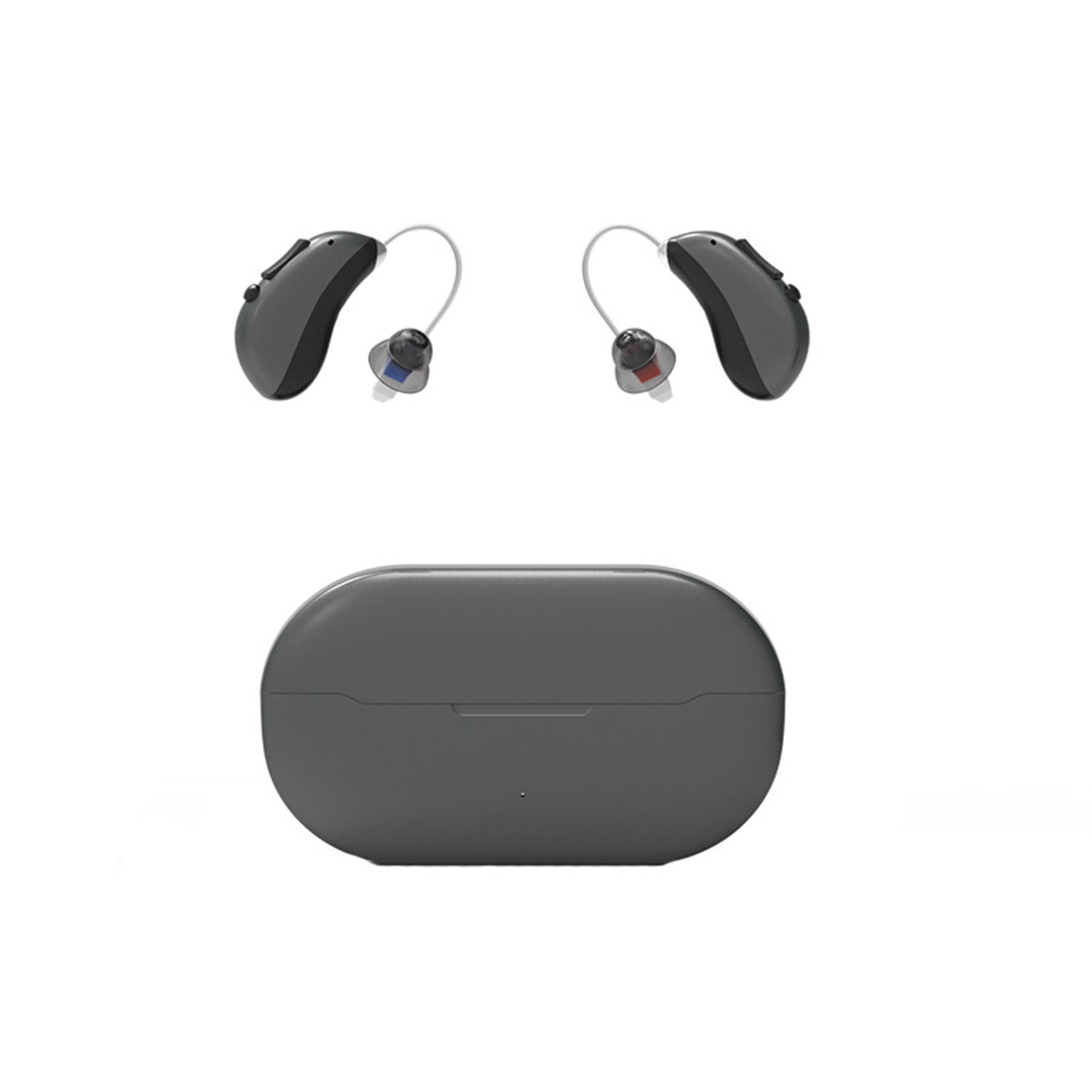
If you are seeking a hearing solution that combines crystal-clear sound quality, lightweight comfort, and user-friendly operation, this pair of bilateral RIC (Receiver-in-Canal) Behind-the-Ear hearing aids is the ideal choice for your daily needs.
Pairs well with
In stock! Ships within 1-3 business days.
30-day risk-free trial — love it or return it
Imported BES chip — engineered for clearer, more natural sound
Free shipping on orders over $199
ClearBTE Hearing Aids – 4 Listening Modes, All-Day Comfort
Whether you need guidance on switching listening modes, finding the right ear dome fit, or understanding the battery display, we're here to help make your experience smooth from day one. Reach out anytime — we'll respond within 24 hours on weekdays.
-
Shipping & Delivery
All orders ship free within 1–3 business days. Standard delivery takes 5–12 business days depending on your location. Both RIC hearing aids are carefully inspected and packaged together before shipping to ensure they arrive complete and ready to use straight out of the box.
-
First-Time Use Guide
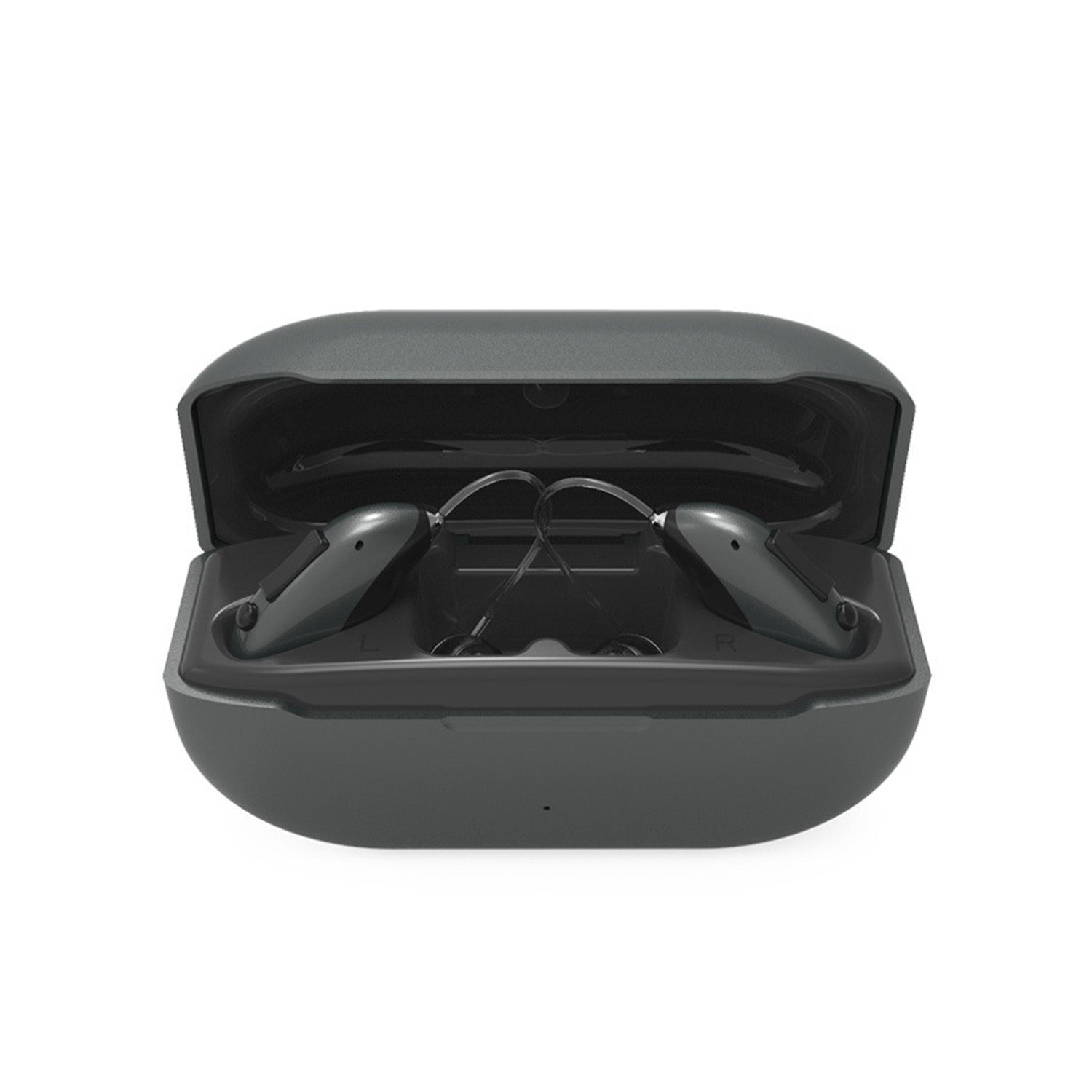
Getting started is quick and easy. Place each hearing aid over the correct ear (L/R labelled), ensure the receiver sits comfortably in your ear canal, and press the power button to turn on. Use the mode button to cycle through the four listening modes and find the one that suits your current environment best.
-
RIC Fit Assistance
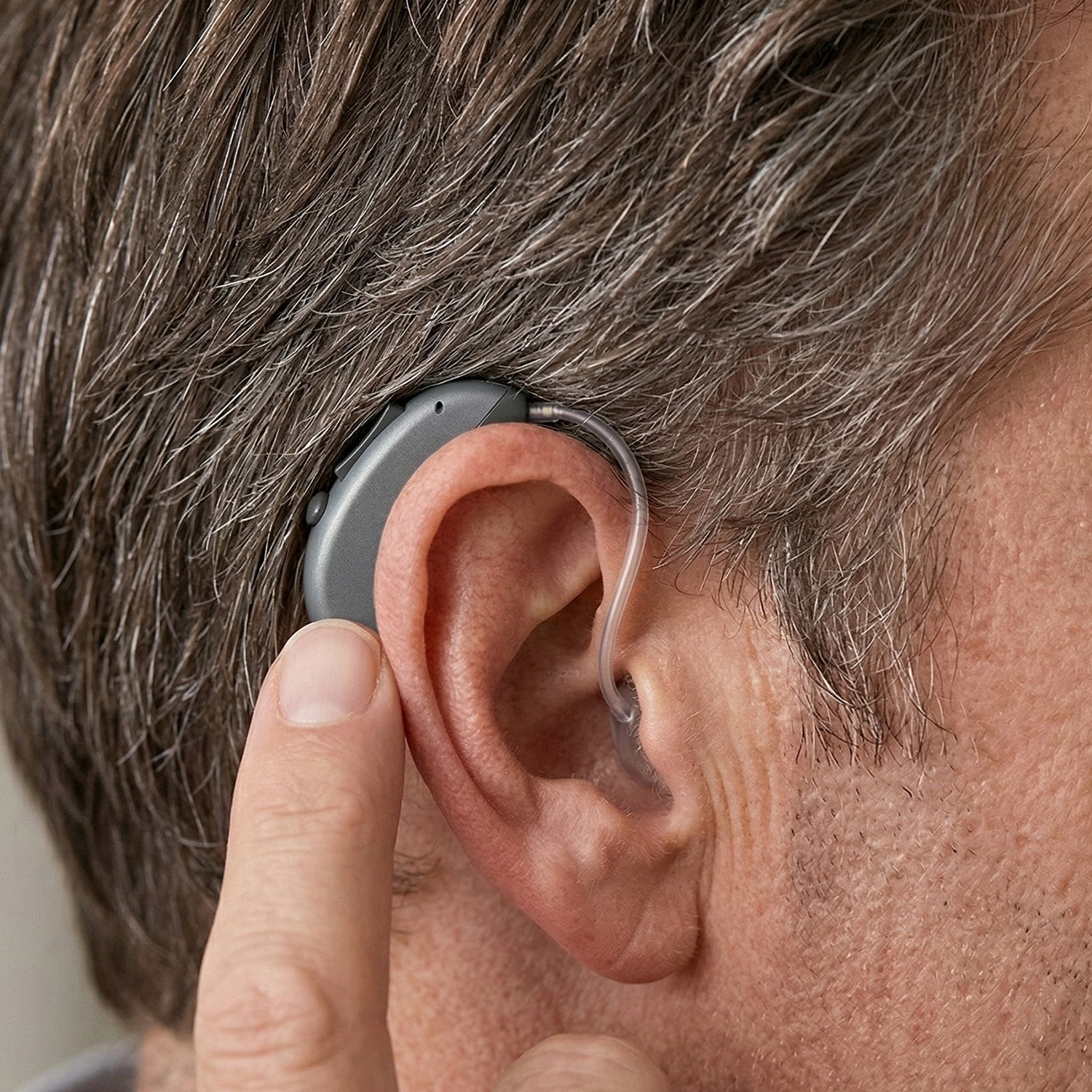
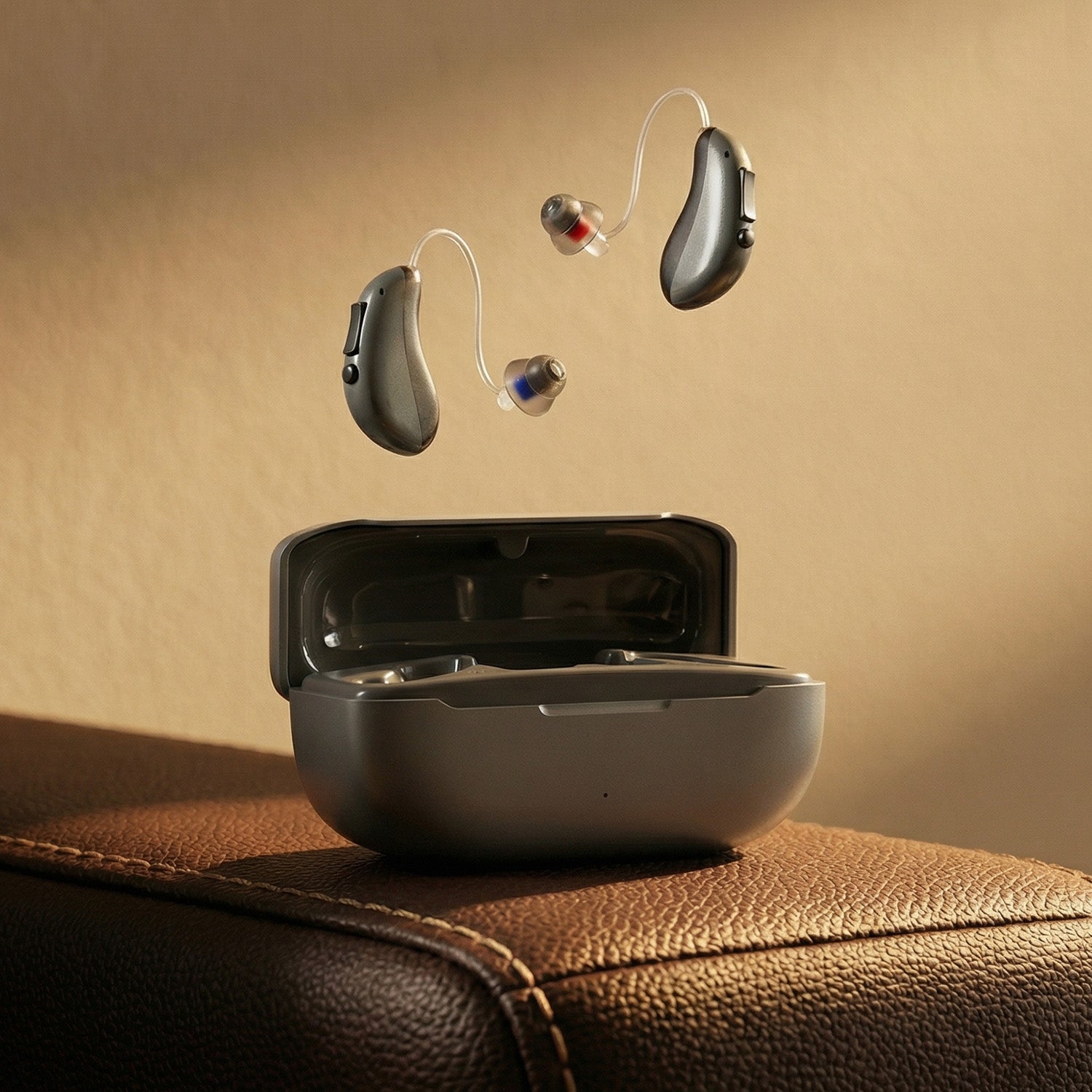
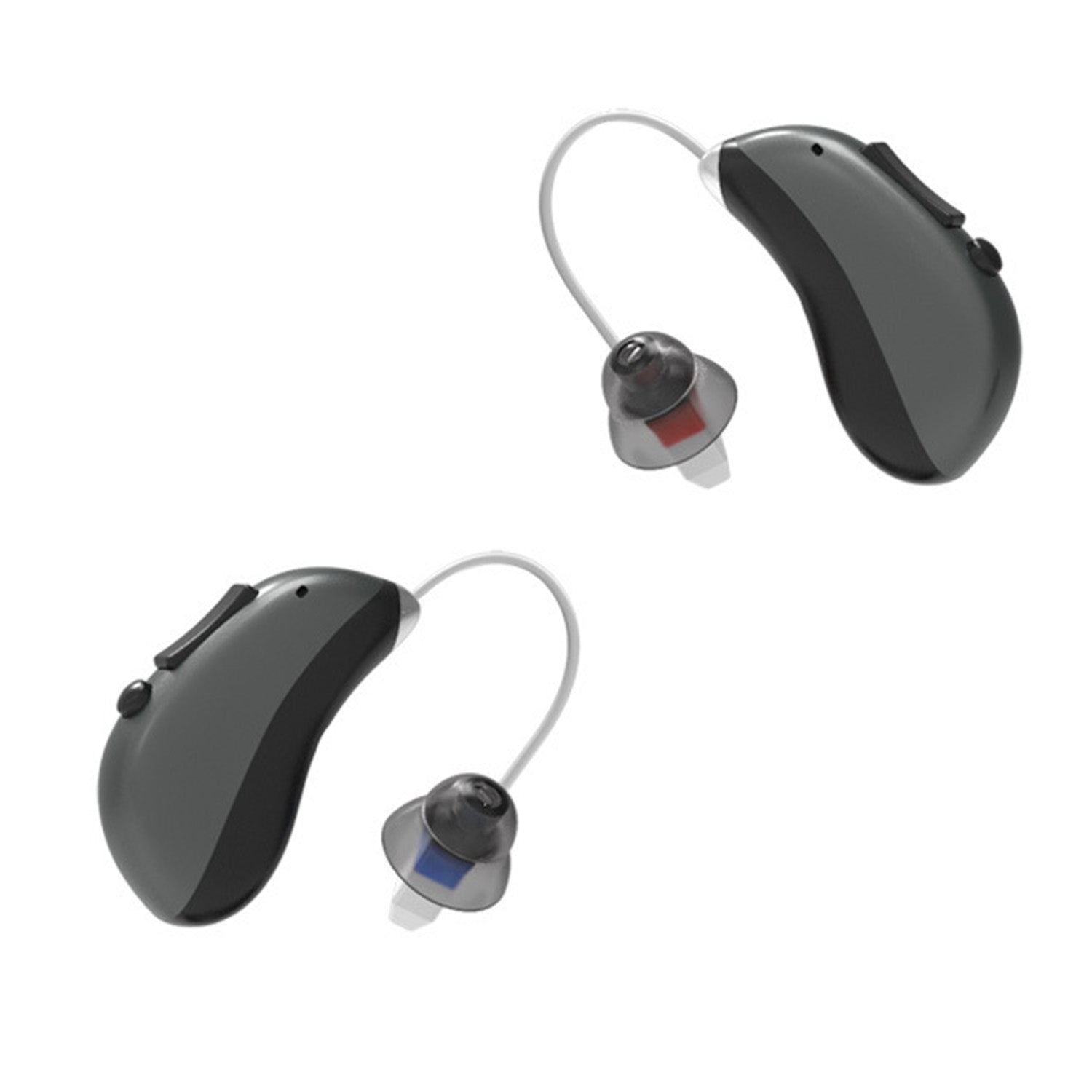
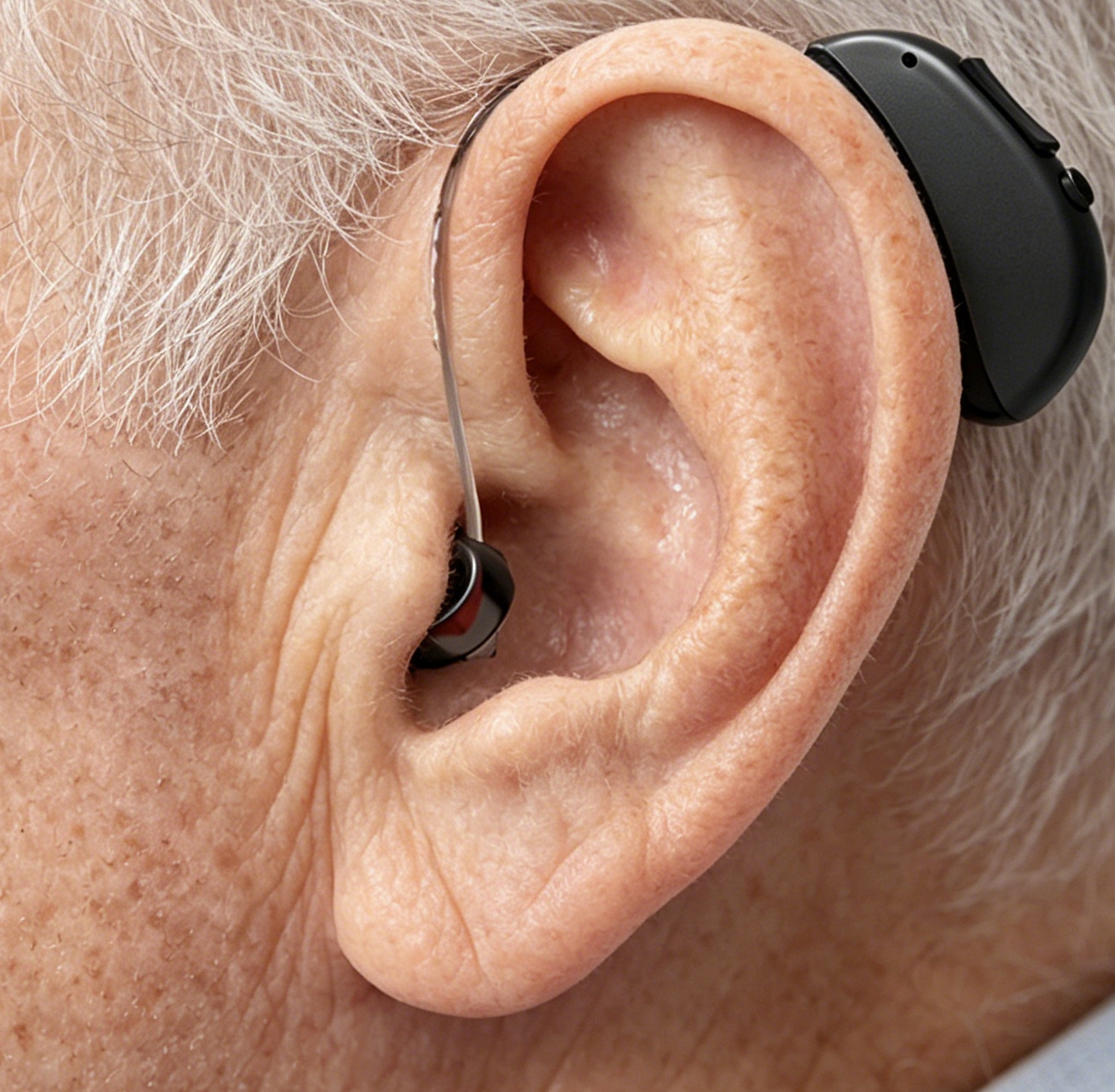
The RIC (Receiver-in-Canal) design places the receiver directly in the ear canal for a lighter, more open feel. If the receiver feels loose or the ear dome doesn't seal properly, try a different dome size. A snug but comfortable fit improves both sound quality and stability during daily wear.
-
Contact Us
Questions about mode switching, battery display, or RIC fit? Our support team is available Monday–Friday, 9am–6pm EST via email or live chat. We typically respond within 24 hours on weekdays.
Engineered for Clarity, Comfort, and Control
Combining an imported BES chip, RIC behind-the-ear architecture, four adaptive listening modes, and a bilateral stereo design — this hearing aid is built to perform across every scenario of daily life.




BES Chip + 16-Channel Processing: Precision Sound, Not Just Volume
At the core of this hearing aid is an imported BES chip — a professional-grade audio processor designed specifically for clarity-focused hearing support. Unlike basic hearing aids that apply a single, blanket amplification across all sounds, the BES chip works in conjunction with 16-channel intelligent noise reduction to analyze incoming audio across 16 individual frequency bands simultaneously.
Each channel is processed independently: speech frequencies are identified and prioritized, while frequencies associated with background noise, feedback whistling, and unwanted distortion are actively suppressed. The result is a listening experience that feels genuinely refined — voices emerge with greater presence and detail, conversations become easier to follow even in challenging acoustic environments, and the harsh, piercing feedback that makes some hearing aids uncomfortable to wear is effectively eliminated before it reaches your ear.
RIC Behind-the-Ear · Imported BES Chip · 16-Channel Noise Reduction · 4 Listening Modes · Bilateral Stereo · 30-Hour Battery
4 Listening Modes: One Hearing Aid for Every Environment
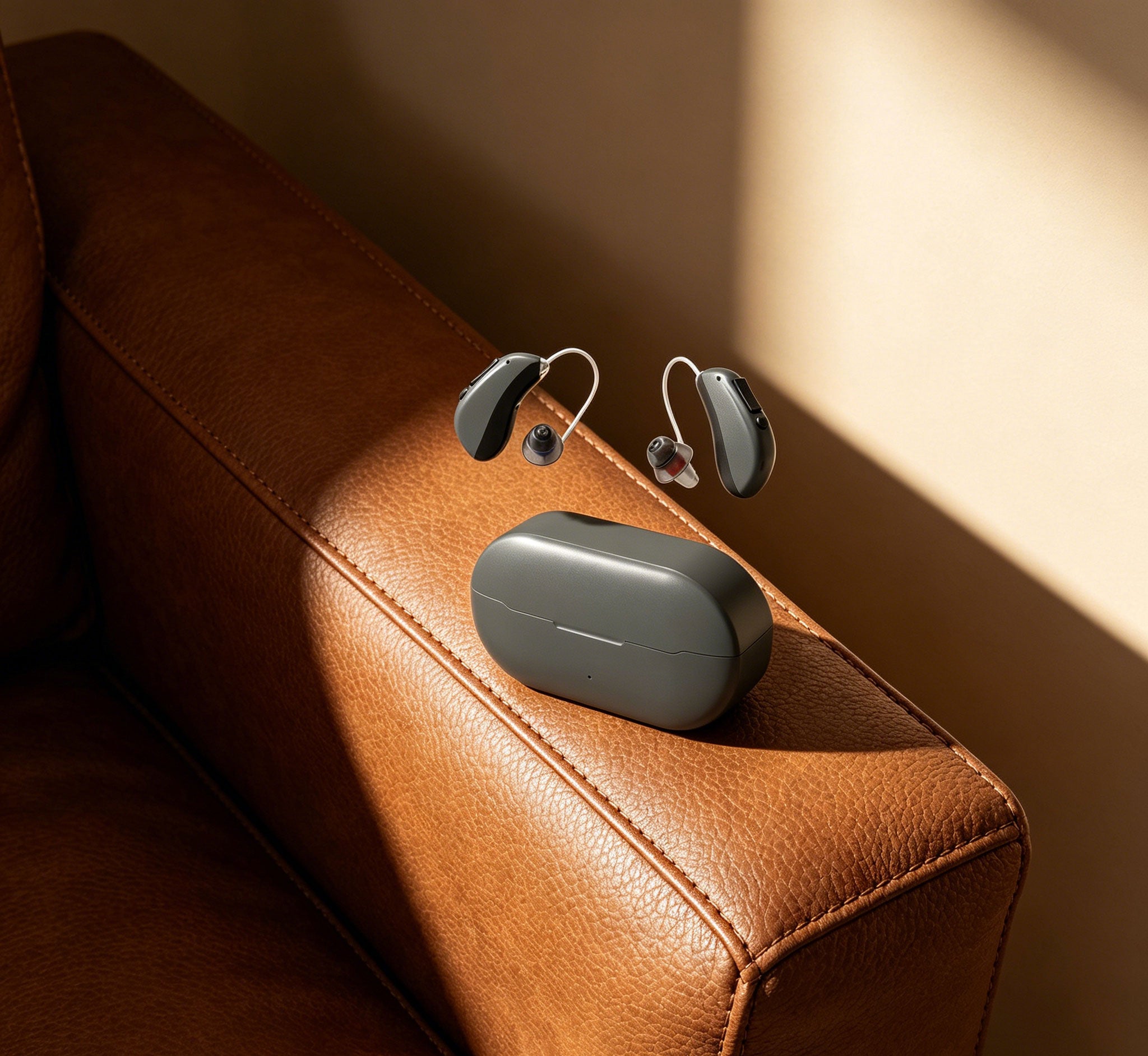
No two listening environments are the same, which is why a single fixed setting rarely works well all day. These hearing aids offer four selectable listening and noise-reduction modes, each tuned for a different real-world scenario:
Mode 1 — General Mode: A balanced, all-purpose setting ideal for calm home environments. Sound feels natural and relaxed, with gentle noise management that doesn't over-process quiet surroundings.
Mode 2 — Speech Mode: Optimized for face-to-face conversation and TV dialogue. Speech frequencies are brought forward with greater clarity, making one-on-one and small group interactions easier to follow.
Mode 3 — Noise Reduction Mode: Designed for louder environments such as restaurants, markets, or busy streets. Background noise is more aggressively managed while voice clarity is preserved.
Mode 4 — Outdoor Mode: Tuned for open-air environments where wind and ambient sounds can interfere with speech. Provides a more stable, focused listening experience while walking, commuting, or spending time outside.
Switching between modes takes just one press of the mode button — quick, simple, and immediately effective.
Product Details
Who Is This For?
This bilateral RIC hearing aid is designed for adults and seniors with mild to moderate hearing loss who want a step up from basic hearing amplifiers — with better sound processing, adaptive listening modes, and a more refined fit.
This model is especially well suited if you:
• Want clearer, more natural-sounding voices rather than just louder sound
• Move between different environments throughout the day — home, outdoors, social gatherings
• Have tried standard BTE hearing aids but found them too bulky or uncomfortable for extended wear
• Prefer the simplicity of physical buttons over apps or Bluetooth setup
• Want bilateral (both ears) hearing support for a more balanced, immersive experience
• Value a hearing aid that adapts to your environment rather than forcing you to adapt to it
The RIC design is particularly beneficial for users who find traditional BTE devices too heavy or occlusive, as the receiver sits inside the canal rather than in the ear piece, creating a lighter, more open feel.
Technical Specifications
Chip: Imported BES chip
Processing Channels: 16-channel intelligent noise reduction
Maximum SPL: 120 dB
Maximum SPL (T002): <115 dB ± 5 dB
Full-Range Gain: 35 dB ± 5 dB
Full-Band Gain: 30 dB ± 5 dB
Equivalent Input Noise Level: <25 dB
Frequency Range: 250–5500 Hz
Total Harmonic Distortion: ≤7% + 3%
Working Time: ≥30 hours
Charging Time: Approx. 1 hour
Design: RIC (Receiver-in-Canal), Behind-the-Ear, Bilateral
Listening Modes: 4 selectable modes
Control: Physical buttons
Battery Display: Digital power level indicator
Button Controls, Battery Display & Care Guide
Power & Volume Control:
Press and hold the power button to turn the device on or off. Once powered on, use the volume button to cycle up or down through available volume levels. Start at a comfortable mid-level and adjust based on your environment — quieter settings work well indoors, while slightly higher levels may suit noisier surroundings.
Switching Listening Modes:
In listening mode, briefly press the mode button once to advance to the next mode. Cycle through all four modes in sequence to find the one best suited to your current environment. The device will indicate the mode change with a tone or LED signal.
Battery Display:
The built-in digital battery display lets you check remaining power at a glance — no guesswork about when to charge. We recommend charging before the battery drops completely to maintain long-term battery health. A full charge takes approximately 1 hour and provides up to 30 hours of continuous use.
Daily Care:
After each day of wear, gently wipe the device with a soft, dry cloth. Keep away from moisture, extreme heat, and direct sunlight. The RIC receiver tip should be checked periodically for earwax buildup and cleaned with the provided cleaning tool to maintain optimal sound clarity.
FAQs
Common questions about our RIC bilateral hearing aid with BES chip technology.
What is RIC design, and how is it different from a regular BTE hearing aid?
RIC stands for Receiver-in-Canal. In a standard BTE hearing aid, both the processing unit and the speaker (receiver) sit behind the ear, connected to the ear canal via a tube. In an RIC design, the processing unit stays behind the ear, but the receiver is moved into the ear canal itself via a thin wire. This separation makes the behind-the-ear unit significantly lighter and smaller, reduces the occlusion effect (the plugged-up feeling), and allows for a more natural, open sound because the ear canal is not fully blocked.
How do I know which of the 4 modes to use and when?
A simple guide: use Mode 1 (General) as your everyday default at home or in quiet settings. Switch to Mode 2 (Speech) when having conversations or watching TV to bring voices forward. Move to Mode 3 (Noise Reduction) in louder environments like restaurants, shops, or family gatherings. Choose Mode 4 (Outdoor) when walking, commuting, or spending time outside where wind and open-air sounds can interfere. You'll quickly develop a feel for which mode suits each situation best — switching takes just one press.
What does the digital battery display show, and where is it located?
The digital battery display is integrated into the hearing aid body and shows the remaining battery level so you can check at a glance without needing to wait for a low-battery warning tone. This is especially useful for planning when to charge — for example, if you see the battery is at a lower level before leaving the house, you know to top it up before a long day out. A full charge from empty takes approximately 1 hour.
Will the RIC receiver tip stay in place during daily activities?
Yes. The RIC receiver is held in place by an ear dome (tip) that sits inside the canal, while the main unit behind the ear is contoured to follow the natural shape of the outer ear. The combination of behind-ear grip and in-canal dome creates a secure two-point hold that remains stable during everyday activities — walking, light exercise, conversation, and general movement. If you experience any looseness, switching to a slightly larger dome size typically resolves it.
Is this hearing aid suitable for someone who has never worn one before?
Absolutely. The physical button design means there's nothing to download, pair, or configure — you turn it on and it works. Starting with Mode 1 (General) at a moderate volume level is the recommended approach for first-time users. Allow a few days of gradual wear to let your brain adjust to the new sound input, which is a normal part of adapting to any hearing aid. Most first-time users find the transition comfortable within the first week, and the four modes give you the flexibility to explore what works best as you go.